
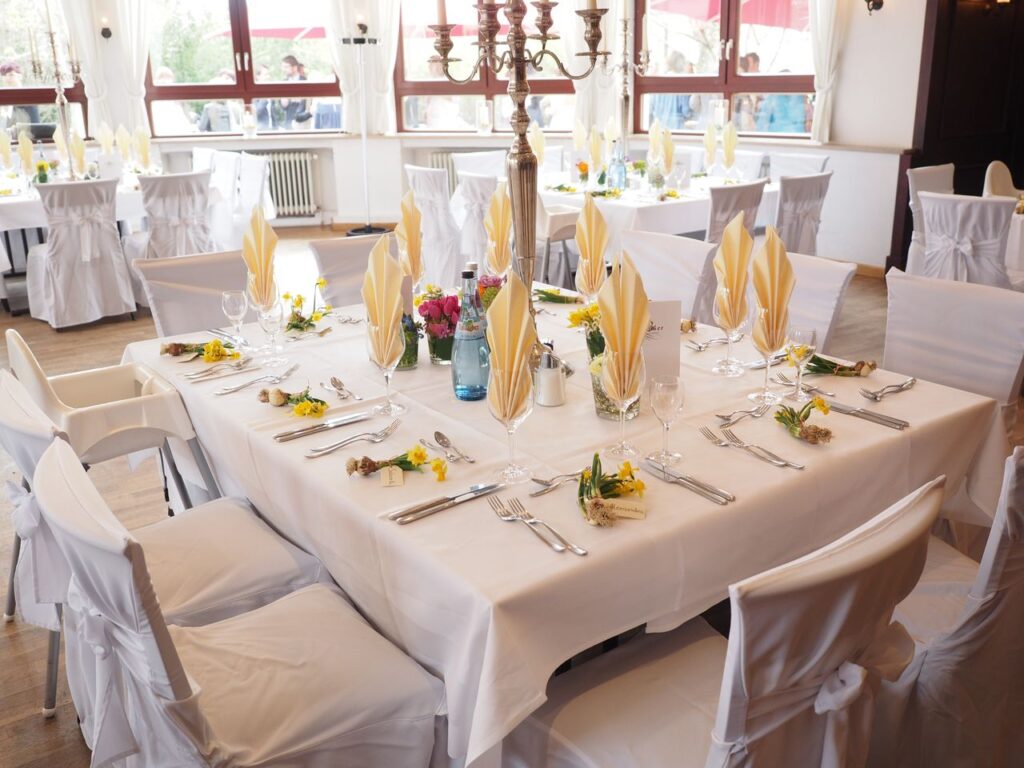
Planning an event is much more than choosing a venue and sending invitations. Whether you’re organizing a business gathering, a networking session, a product launch, or a private celebration, smart event planning helps create memorable experiences while staying within budget and timeline.
A successful event combines thoughtful planning, clear communication, and seamless execution. This guide walks you through the essential steps to plan an event efficiently and avoid common mistakes.
Start with Clear Objectives
Every successful event begins with a purpose. Before making any bookings, define what you want to achieve.
Ask yourself:
- What is the goal of the event?
- Who is the target audience?
- How many guests are expected?
- What experience do you want attendees to remember?
Having clear objectives makes every other planning decision easier.
Set a Realistic Budget
Your budget influences almost every aspect of the event.
Allocate funds for:
- Venue rental
- Catering
- Decorations
- Audio-visual equipment
- Entertainment
- Photography and videography
- Guest management
- Marketing and invitations
- Emergency expenses
Always keep a contingency fund of 10–15% for unexpected costs.
Choose the Right Venue
The venue creates the first impression of your event.
When selecting a venue, consider:
- Convenient location
- Parking availability
- Indoor and outdoor options
- Guest capacity
- Accessibility
- Backup arrangements for weather
- Power supply and internet connectivity
- Restroom facilities
Choosing a venue that matches your event’s size and theme enhances the overall experience.
Select the Best Date and Time
Avoid scheduling your event during public holidays, major festivals, or important industry events unless they align with your objectives.
Consider:
- Guest availability
- Travel convenience
- Seasonal weather
- Business schedules
- Venue availability
Sending invitations early improves attendance.
Create a Detailed Timeline
A structured timeline keeps planning organized.
Typical milestones include:
- Venue booking
- Vendor confirmation
- Invitation distribution
- Decoration setup
- Equipment testing
- Guest registration
- Event execution
- Cleanup and wrap-up
A checklist helps ensure nothing is overlooked.
Build the Right Team
Event planning is a collaborative effort.
Assign responsibilities for:
- Guest coordination
- Vendor management
- Registration desk
- Stage management
- Technical support
- Hospitality
- Photography
- Emergency assistance
Clear communication reduces confusion on event day.
Focus on Guest Experience
Guests remember how an event made them feel.
Improve their experience with:
- Smooth registration
- Comfortable seating
- Clear signage
- Refreshments
- Professional staff
- Interactive activities
- Networking opportunities
- Clean facilities
Small details often leave the biggest impression.
Plan Food and Beverages Carefully
Food is one of the highlights of any event.
Consider:
- Dietary preferences
- Vegetarian and vegan options
- Timely service
- Quality ingredients
- Hygienic preparation
- Beverage stations
- Dessert selection
Good catering contributes significantly to guest satisfaction.
Use Technology to Simplify Planning
Modern event planning tools can improve efficiency.
Useful technologies include:
- Online RSVP systems
- Digital invitations
- QR code check-in
- Event management software
- Live streaming
- Digital feedback forms
- Social media promotion
Technology saves time and enhances attendee engagement.
Prepare for Unexpected Situations
Even the best-planned events can face challenges.
Have backup plans for:
- Bad weather
- Power outages
- Vendor delays
- Medical emergencies
- Technical issues
- Last-minute cancellations
Being prepared allows your team to respond calmly and professionally.
Coordinate with Reliable Vendors
Choose experienced vendors who understand your event requirements.
Confirm details such as:
- Delivery schedules
- Setup times
- Contact information
- Payment terms
- Equipment requirements
- Backup resources
Regular communication helps avoid last-minute surprises.
Promote Your Event Effectively
If your event is open to attendees, effective promotion is essential.
Marketing channels include:
- Email campaigns
- Social media
- Business networks
- Event listing platforms
- WhatsApp communities
- Partner collaborations
Consistent messaging increases visibility and attendance.
Keep Sustainability in Mind
Environmentally responsible events are becoming increasingly important.
Simple sustainable practices include:
- Digital invitations
- Reusable decorations
- Waste segregation
- Eco-friendly tableware
- Reduced plastic usage
- Local suppliers
Sustainable planning benefits both your guests and the environment.
Collect Feedback After the Event
Learning from every event helps improve future planning.
Gather feedback about:
- Venue
- Food quality
- Event schedule
- Speaker sessions
- Staff support
- Overall satisfaction
Analyze responses to identify strengths and areas for improvement.
Common Event Planning Mistakes to Avoid
Avoid these frequent mistakes:
- Starting preparations too late
- Ignoring budget limits
- Choosing the wrong venue
- Poor communication with vendors
- Not having backup plans
- Overlooking guest comfort
- Inadequate staffing
- Skipping technical rehearsals
Careful preparation minimizes these risks.
Final Thoughts
Smart event planning is about balancing creativity, organization, and attention to detail. From defining objectives and selecting the perfect venue to coordinating vendors and delivering a memorable guest experience, every decision contributes to the event’s success.
With proper planning, reliable partners, and a well-structured timeline, you can host events that leave lasting impressions on your guests while achieving your goals efficiently. Whether you’re organizing a business function, networking event, seminar, celebration, or special gathering, investing time in strategic planning is the key to a smooth and successful event.
